
Author: Kevin Publish Time: 2026-01-08 Origin: Biste (Guangzhou) Auto Parts Co., Ltd.


Your vehicle's air suspension is a marvel of engineering, combining the comfort of a luxury sedan with the capability of a sports car. But when an air strut fails, the search for a replacement can be overwhelming.
Should you buy the expensive original part? Is the cheaper alternative safe? At Biste Parts, we understand that the difference between a smooth ride and a bumpy nightmare lies in the details of the shock absorber. Here is a technical guide to help you choose the best Air Suspension Shocks & Struts for your specific needs.
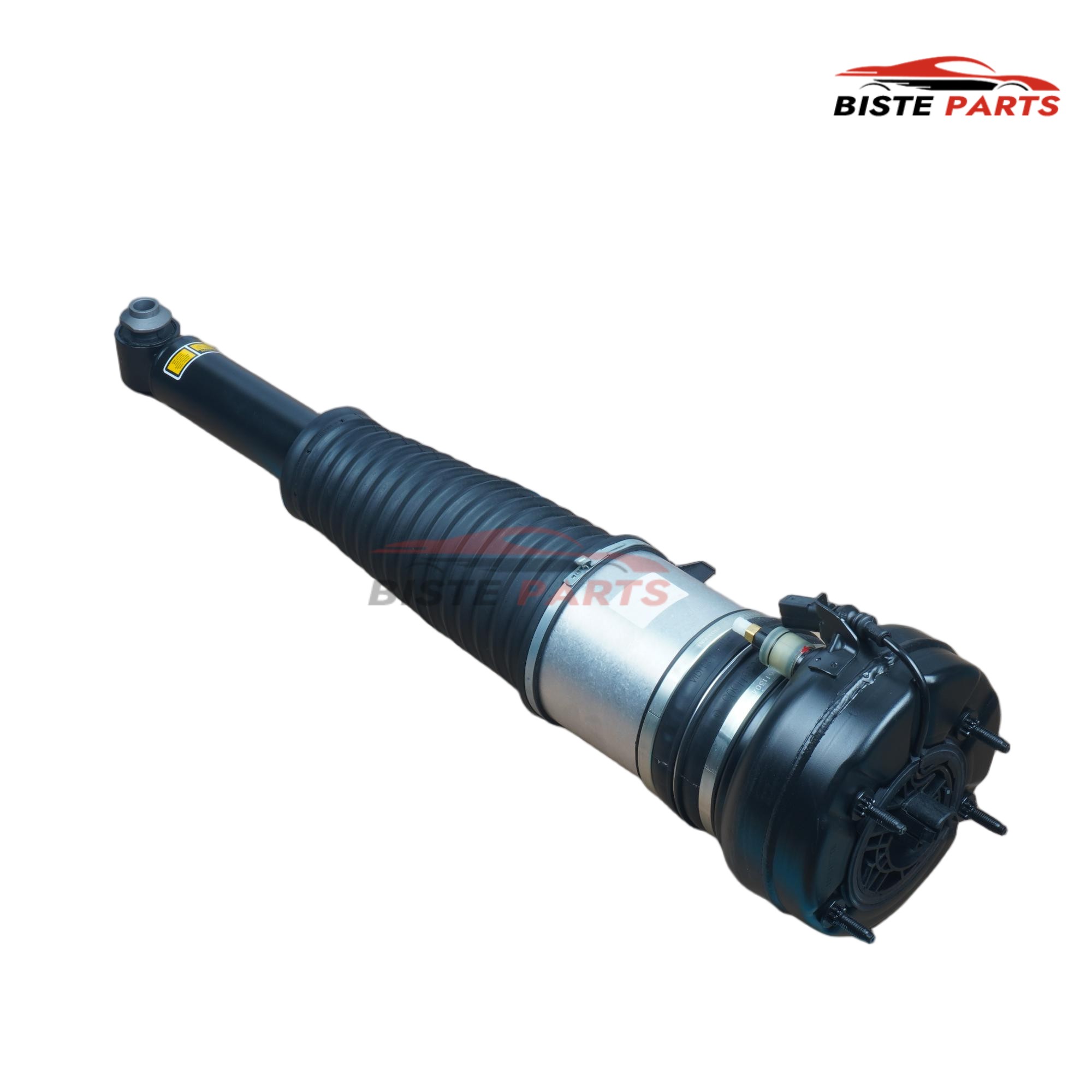
To choose the best part, you must understand what you are buying. An air strut is actually two components in one:
The Air Spring (The Muscle): A rubber bladder filled with compressed air that holds the car's weight and determines ride height.
The Shock Absorber (The Brain): A hydraulic cylinder inside the air spring that controls how the spring moves, stopping the car from bouncing uncontrollably.
Why this matters: Many cheap replacements have a decent air bag but a terrible internal shock. This leads to a car that holds air but rides like a boat. You need a unit that excels in both areas.
When browsing for parts, ignore the flashy marketing and focus on these three technical criteria.
"Fits Mercedes S-Class" is not enough. Modern cars have multiple suspension options for the same model year.
Electronic vs. Passive: Does your car have a "Sport/Comfort" button? If yes, you need a shock with an internal solenoid valve (Active Damping). Installing a "Passive" shock on an "Active" car will trigger dashboard error lights.
Drivetrain Differences: An air strut for a Rear-Wheel Drive (RWD) car often will not fit an All-Wheel Drive (AWD/4Matic/Quattro) model due to the shape of the lower mounting bracket.
The Solution: Always verify fitment using your VIN (Vehicle Identification Number).
You can't see inside the shock, but you can judge quality by the materials used.
The Rubber Sleeve: Look for multi-ply, cross-woven rubber. This construction (similar to a tire sidewall) resists the constant expansion and contraction better than cheap, single-layer rubber.
Crimping Rings: The metal rings that seal the rubber to the mount must be heavy-duty. Weak rings are the #1 cause of sudden air leaks.
Damping Response: High-quality Air Suspension Shocks use premium hydraulic oil that maintains viscosity in both freezing winter and scorching summer, ensuring consistent stability.
Who made the part?
Rebuilders vs. Manufacturers: Some "new" parts are actually used parts that have been spray-painted (rebuilt). While eco-friendly, their internal shock valves are often worn out.
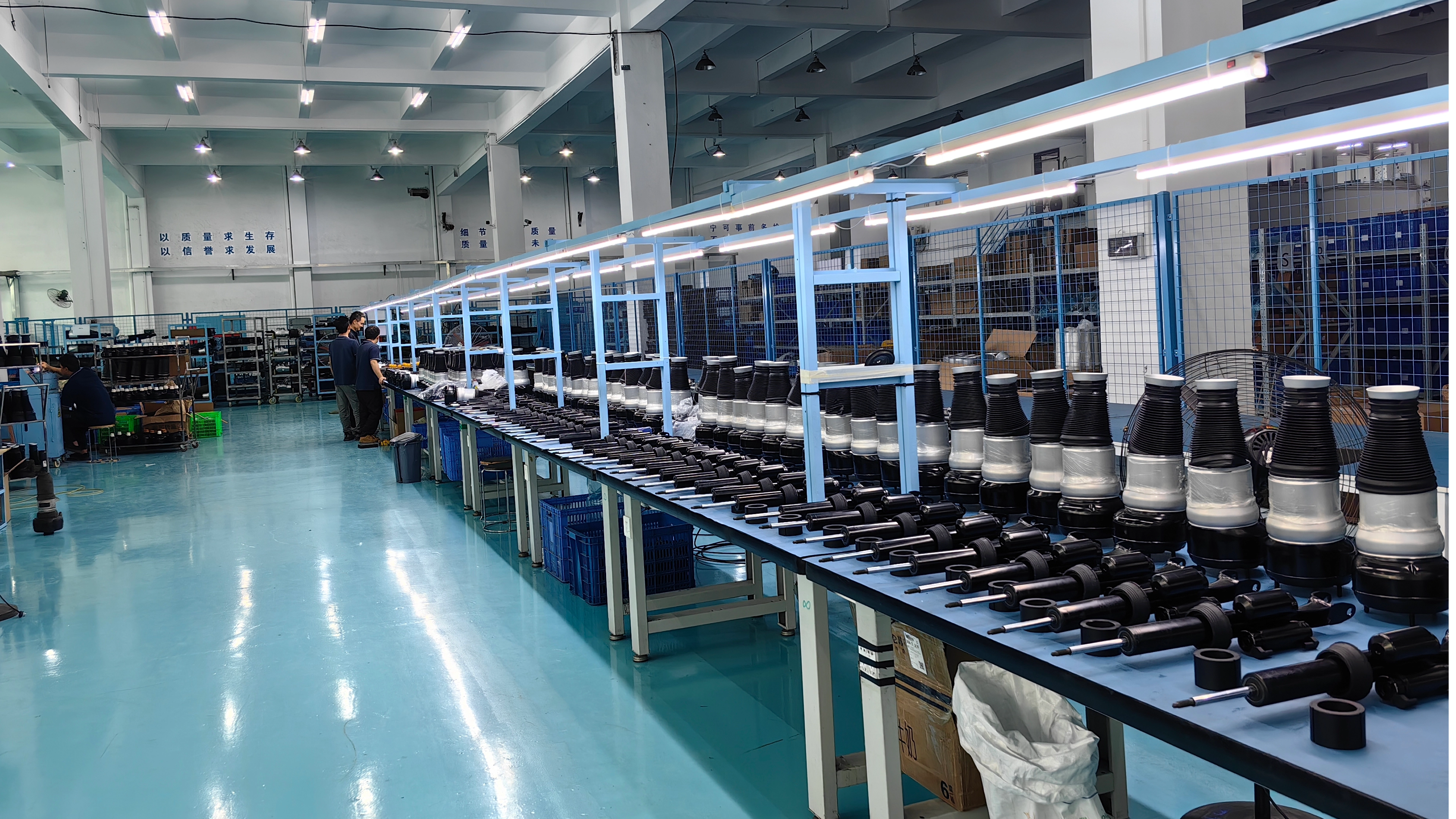
New Aftermarket (Biste Parts): We manufacture brand-new units. This ensures that every component—from the top mount bearing to the bottom seal—is fresh and factory-spec.
Online reviews are helpful, but you need to read between the lines.
Ignore: "Fast shipping!" (This tells you nothing about the product).
Look for: "Ride quality matches OEM." This indicates the damping valving is correct.
Look for: "Installed 6 months ago, still no leaks." This validates the durability of the crimping rings and rubber seals.
Choosing the best air suspension shock is an investment in your safety and comfort. A high-quality shock does more than just keep your car off the ground; it restores the precise handling and luxury feel the manufacturer intended.
Don't settle for "good enough." Prioritize correct fitment, durable materials, and active damping capabilities. Explore our extensive catalog of Air Suspension Shocks & Struts to find the perfect, engineered solution for your vehicle.
Q1: Should I replace air shocks in pairs?
A:Absolutely. If one shock has failed due to age, the other is likely close to failure. More importantly, replacing only one side creates an imbalance in damping (one stiff new shock vs. one soft old shock), which can cause unstable handling during braking or cornering.
Q2: What is the difference between "Remanufactured" and "New" air shocks?
A: "Remanufactured" usually means an old core with a new rubber air bag, but the internal hydraulic shock might still be old. "New" aftermarket parts (like Biste Parts) are 100% new construction, ensuring the internal valves and oil are fresh.
Q3: How do I know if my new shock supports Electronic Damping Control (CDC)?
A: Check the electrical connector. A real CDC shock will have a functional plug that connects to the internal valve. Some cheap knock-offs have a "dummy plug" that tricks the computer but doesn't actually change the stiffness. Biste Parts ensures full electronic functionality.
Q4: How long should a good air shock last?
A: A high-quality air strut should last between 50,000 to 80,000 miles, depending on road conditions and climate. Extreme heat or road salt can shorten the lifespan of the rubber components.


